Overcoming addiction demands unwavering commitment and a holistic approach to rebuilding one’s life. Although recovery paths vary, establishing healthy habits is crucial. These habits not only help abstain from substances but also strengthen the mind, body, and spirit for long-term success.
The recovery journey is often challenging, with setbacks and doubts. However, cultivating a lifestyle centered on positive habits creates a solid foundation for lasting change. These habits support physical healing and foster emotional resilience, mental clarity, and renewed purpose.
Recovery is a continuous journey of growth, not a destination. Establishing healthy habits isn’t about perfection but embracing consistent, small steps that lead to profound well-being shifts.
This article provides a comprehensive guide to integrating nourishing habits into daily life, covering the importance of routine, nutrition, physical activity, mindfulness, and support networks. Each section offers actionable insights to navigate addiction recovery with resilience.
The Role of Routine in Recovery
Understanding the critical role of healthy habits sets the stage for our first actionable strategy: establishing a solid routine.
Exploring the significance of routines in recovery, it’s evident that these structured patterns do more than just fill our days; they become the backbone of long-term recovery success. The research underscores the essential nature of routines in reinforcing recovery efforts and preventing relapse, making them a cornerstone of a life reclaimed from addiction.
Exploring the significance of routines in recovery, it’s evident that these structured patterns do more than just fill our days; they become the backbone of long-term recovery success. This could include setting consistent sleep and wake times, scheduling regular meals, incorporating exercise, and dedicating time for self-care activities like journaling or meditation. Establishing routines provides a sense of structure and stability, particularly beneficial during times of heightened stress or cravings.
Nutritional Foundations for Healing
With a supportive routine in place, the next step is to nourish the body that carries you through your recovery journey. Nutrition plays a pivotal role not just in physical health but in mental well-being too. Look at the data below that shows the nutrition and recovery progress:
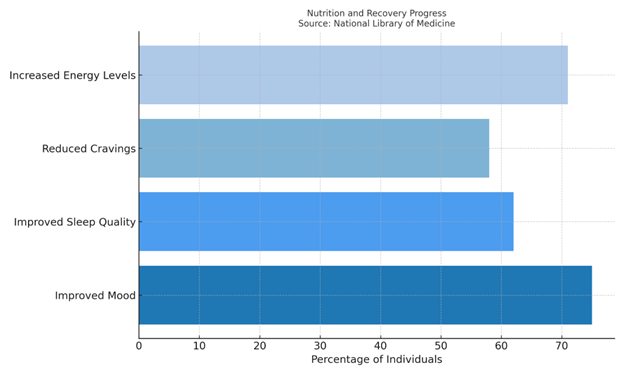
Data Source: National Library of Medicine
Embracing nutrient-dense foods is not merely about dietary choices; it’s about detoxifying, repairing, and empowering your body to heal from the inside out. As we’ve learned, incorporating such foods into your diet can significantly boost energy levels and mood stability, essential components of a robust recovery process.
Focus on incorporating whole, unprocessed foods rich in vitamins, minerals, and essential nutrients. To help you incorporate a variety of nutrient-dense foods into your diet, consider the following table outlining key nutrients, their food sources, and their specific benefits for recovery:
| Nutrient | Food Sources | Benefits for Recovery |
| Omega-3 Fatty Acids | Fatty fish (salmon, mackerel, sardines), walnuts, flaxseeds, chia seeds | Reduce inflammation, improve brain function, and support mental health |
| B Vitamins (B1, B3, B6, B12) | Whole grains, legumes, nuts, seeds, leafy greens, meat, fish, eggs | Boost energy levels, improve cognitive function, and aid in stress management |
| Zinc | Oysters, beef, chicken, yogurt, cashews, oats | Supports immune function, wound healing, and cognitive performance |
| Vitamin C | Citrus fruits, bell peppers, broccoli, strawberries, tomatoes | Powerful antioxidant, aids in stress management, and supports immune function |
| Magnesium | Spinach, pumpkin seeds, almonds, avocado, dark chocolate | Promotes relaxation, improves sleep quality, and regulates mood |
| Probiotics | Yogurt, kefir, sauerkraut, kimchi, kombucha | Support gut health and improve mood and cognitive function |
Additionally, staying hydrated by drinking plenty of water can aid in flushing out toxins and supporting overall bodily functions.
Physical Activity as a Pillar of Recovery
Fueling your body with the right nutrients sets the stage for the next critical step in your recovery: physical activity.
Exercise extends its benefits beyond physical health, offering mental clarity, improved confidence, and an invaluable sense of control over one’s life. The link between regular physical activity and enhanced recovery experiences underscores the importance of integrating movement into your daily routine, further highlighting the multifaceted approach needed for a successful recovery.
Whether it’s going for a daily walk, joining a yoga class, or exploring a new sport, find an activity that resonates with you and brings a sense of joy and accomplishment. Remember, exercise benefits in addiction recovery extend far beyond physical fitness; it’s about reclaiming your strength, resilience, and overall well-being. If you’re unsure where to start or need guidance, professionals at better addiction care can provide personalized recommendations for incorporating physical activity into your recovery plan.
Mindfulness and Mental Health Management
As you establish a routine, nourish your body, and engage in physical activity, it’s equally crucial to tend to your mental and emotional well-being. Mindfulness practices, such as meditation, deep breathing exercises, or mindful movement, can be powerful tools in managing cravings, stress, and overwhelming emotions that often accompany the recovery process.
By cultivating a practice of mindfulness in addiction recovery, you can develop greater self-awareness, emotional regulation, and the ability to respond to triggers and challenges with intention rather than reactivity. Explore different mindfulness techniques and find what resonates best with you, gradually incorporating them into your daily routine for a holistic approach to healing.
Building a Support Network
Recovery is a journey best undertaken with a strong support network. Surrounding yourself with individuals who understand the complexities of addiction and can offer encouragement, accountability, and guidance can be a game-changer in your recovery efforts.
Seek out local support groups, therapists, or recovery communities that align with your values and needs. These connections can provide a safe space to share experiences, learn from others, and receive the support in addiction recovery that is often essential for long-term success.
Navigating Setbacks with Grace
Despite your best efforts, setbacks, and challenges may arise during your recovery journey. It’s important to approach these moments with self-compassion and resilience. Rather than viewing a relapse or struggle as a failure, embrace it as an opportunity to reassess your healthy habits, identify areas for improvement, and make necessary adjustments.
Remember, managing relapse in recovery is not about perfection; it’s about learning from the experience and recommitting to your goals with renewed determination. Seek support from your network, practice self-care, and stay focused on the progress you’ve made, using setbacks as stepping stones rather than roadblocks.
Fostering Meaningful Connections
Loneliness and isolation can be significant barriers to lasting recovery. Fostering meaningful connections with others who understand and support your journey can provide a sense of belonging, accountability, and encouragement.
Engage with recovery communities, attend support group meetings, or consider seeking a sponsor or mentor who has walked a similar path. These connections can offer invaluable guidance, shared experiences, and a reminder that you are not alone in your recovery efforts.
Embracing Spirituality and Purpose
For many individuals, exploring spirituality or finding a sense of purpose can be a powerful catalyst for sustained recovery. Whether through religious or secular practices, cultivating a connection to something greater than yourself can instill a sense of meaning, resilience, and inner strength.
Experiment with different spiritual practices, such as meditation, prayer, or involvement in a faith-based community. Additionally, consider volunteering or engaging in activities that align with your values and passions, as these can provide a renewed sense of purpose and fulfillment.
Conclusion
Establishing healthy habits in addiction care is a multifaceted endeavor that requires patience, perseverance, and a willingness to embrace change. By cultivating a healthy routine, nourishing your body with nutrient-dense foods, engaging in regular physical activity, practicing mindfulness, and surrounding yourself with a supportive network, you equip yourself with the tools to navigate the recovery journey with resilience and empowerment.
Remember, recovery is an ongoing process, and building healthy routines is an investment in your long-term well-being. Celebrate each small victory, and trust that by consistently prioritizing healthy habits, you are paving the way for a life of fulfillment, purpose, and lasting sobriety.
Frequently Asked Questions (FAQs)
1. How do I start establishing healthy habits if I’m struggling with motivation?
It’s common to experience a lack of motivation, especially in the early stages of recovery. Start by setting small, achievable goals that align with your values and priorities. Celebrate each milestone, no matter how small, and remember that building momentum takes time. Consider enlisting the support of a friend, family member, or recovery coach to hold you accountable and encourage you along the way.
2. Can establishing healthy habits really make a difference in my addiction recovery?
Absolutely. Numerous studies and personal accounts highlight the profound impact that adopting healthy habits can have on addiction recovery. By nourishing your body, engaging in physical activity, practicing mindfulness, and surrounding yourself with a supportive network, you create a solid foundation for long-term sobriety and overall well-being. These habits not only aid in managing cravings and triggers but also cultivate a sense of purpose, self-worth, and resilience essential for sustained recovery.
3. How can I maintain these healthy habits in the face of daily stressors and triggers?
Maintaining healthy habits in the face of daily challenges requires a proactive approach. Start by identifying potential stressors or high-risk situations and develop coping strategies in advance. This could involve practicing stress management techniques like deep breathing or seeking support from your network. Additionally, prioritize self-care activities that help you recharge and maintain a positive mindset, such as getting enough sleep, engaging in hobbies, or spending time in nature. Remember, setbacks are a natural part of the journey, and the key is to approach them with self-compassion and a willingness to readjust your habits as needed.
4. How long does it take to develop new healthy habits in recovery?
It typically takes anywhere from 18 to 254 days for a new behavior to become automatic, with an average of 66 days for a new habit to form. However, the timeframe can vary based on the individual, the habit itself, and the level of commitment. Be patient and consistent in your efforts.
5. What if I struggle with motivation to exercise?
Start small by incorporating physical activities you enjoy, and gradually increase the duration and intensity. Seek out workout buddies or join group fitness classes for added motivation and accountability. Remember that even small bouts of movement can contribute to your overall well-being.
6. Can I indulge in my favorite foods occasionally while maintaining a nutrient-dense diet?
Absolutely. Moderation is key. While prioritizing nutrient-dense foods, you can still enjoy your favorite treats in moderation. The goal is to create a balanced, sustainable approach to nutrition that doesn’t feel restrictive or punishing.
7. How can I stay motivated to maintain healthy habits during tough times?
Remind yourself of your “why” – the reasons you’re committed to recovery. Celebrate small victories, and don’t be discouraged by setbacks. Lean on your support network for encouragement and accountability. Most importantly, be kind and patient with yourself throughout the process.
8. Can I practice mindfulness if I struggle with sitting still or quieting my mind?
Mindfulness comes in many forms, including mindful movements, such as yoga or walking meditation. Start with shorter durations and gradually increase as you become more comfortable. The key is to approach the practice with an open and non-judgmental attitude.
9. What if my family or friends don’t understand or support my recovery efforts?
While support from loved ones is ideal, it’s not always possible. Focus on surrounding yourself with a recovery-focused support network, whether through in-person or online communities. Over time, your loved ones may come to better understand and support your journey.
10. How can I handle cravings or triggers when they arise?
Develop a personalized coping plan that includes strategies like mindfulness exercises, physical activity, or reaching out to your support network. Remind yourself that cravings are temporary and will pass with time and healthy distraction techniques.
11. Can I follow a vegetarian or vegan diet while in recovery?
Yes, plant-based diets can be incredibly nutrient-dense and supportive of recovery efforts. Work with a nutritionist or dietitian to ensure you’re meeting all your nutritional needs through careful meal planning and supplementation if necessary.
12. What if I don’t have access to a gym or specialized exercise equipment?
There are numerous ways to stay active without a gym membership or equipment. Consider bodyweight exercises, and outdoor activities like hiking or cycling, or follow along with free online workout videos. The most important thing is to move your body regularly.
13. How can I stay accountable for my healthy habits when traveling or away from my usual routine?
Plan ahead by packing nutrient-dense snacks, researching local fitness options, and identifying potential support resources at your destination. Maintain open communication with your support network and be prepared to adjust your routine as needed while still prioritizing your overall well-being.
Did you find this helpful? Check out our other helpful articles on our website.
Read Also
- Levels of Mental Health Care and When to Seek Support
 Mental health care can range from occasional outpatient appointments to 24-hour hospital treatment. The appropriate level depends on safety, symptom severity, daily functioning, medical needs, available support, treatment history and personal preferences. A licensed clinician should assess these factors rather than relying on a symptom list alone. Need help now? In the United States, call… Read more: Levels of Mental Health Care and When to Seek Support
 - How to Choose a Shilajit Brand Based on the ResearchIn a randomized trial published in the Journal of the International Society of Sports Nutrition in 2019, 63 active men took 250 mg of standardized shilajit, 500 mg, or a placebo every day for eight weeks, and the benefit for strength retention after a fatiguing workout appeared only at 500 mg. For anyone choosing a… Read more: How to Choose a Shilajit Brand Based on the Research
- How to Incorporate Relaxation into Your Busy ScheduleFinding balance when you have a packed daily agenda often feels out of reach. Between work duties, family obligations, and personal projects, personal rest usually gets pushed to the bottom of the list. Small, intentional shifts in daily habits can help restore calm without requiring hours of extra free time. Continue reading to discover everything… Read more: How to Incorporate Relaxation into Your Busy Schedule
- Red Light Therapy for Skin and Wellness: Meet Vital Red Light TherapyModern wellness is not always about complicated treatments or long routines. Many people are now looking for simple, convenient ways to support their skin, recovery, and overall wellness at home. One technology getting more attention is red light therapy. Red light therapy uses specific wavelengths of red and near-infrared light to support the body’s natural… Read more: Red Light Therapy for Skin and Wellness: Meet Vital Red Light Therapy
- Managing Shock Loss After a Hair Transplant: The Financial and Clinical Imperative of Post-Op CareIn the rapidly evolving landscape of private healthcare, executive leadership within cosmetic and restorative surgery clinics faces a dual challenge: maintaining strict clinical standards while maximizing patient lifetime value (LTV) and brand advocacy. As the global medical tourism and elective procedure markets expand, clinical outcome quality alone is no longer the sole differentiator for premium… Read more: Managing Shock Loss After a Hair Transplant: The Financial and Clinical Imperative of Post-Op Care
- Transform Your Skin Health: Premier Gluta IV Therapy in DubaiThis comprehensive guide explores how modern intravenous wellness treatments can help revitalize your complexion, boost immune function, and support overall cellular health. By incorporating modern IV therapy Dubai services into a routine health regimen, individuals can achieve direct nutrient absorption for optimal results. Selecting a customized gluta IV drip Dubai treatment provides targeted antioxidant defense,… Read more: Transform Your Skin Health: Premier Gluta IV Therapy in Dubai
- The Evolution of Dental Prosthetics: Innovation in Oral HealthDental replacements have improved a lot over time. Smiling, chewing, and speaking depend on having healthy teeth. When teeth break or go missing, today’s options can restore both function and confidence. Modern techniques make these replacements feel and look completely natural. Ancient Roots Of Tooth Replacement People have tried to replace lost teeth for thousands… Read more: The Evolution of Dental Prosthetics: Innovation in Oral Health
- How to Support a Loved One with Mental Health IssuesWatching someone you care about struggle with their mental health is difficult: you might feel helpless, confused, or even frustrated. You cannot cure a mental health condition with a simple conversation or a hug, no matter how much you wish you could. Your support can be the difference between them feeling isolated and feeling understood.… Read more: How to Support a Loved One with Mental Health Issues